What you really need to know about cooling vests and staying cool in hot weather
More and more people are looking for solutions such as cooling clothing, cooling vests or portable cooling devices to beat the heat in summer. At the same time, a key question arises: is cooling clothing safe for your health?
First, the good news: Modern cooling clothing is generally considered to pose no health risks when used correctly.
What matters, however, is how the cooling system works – and whether it effectively supports the body.
Why this question is entirely justified
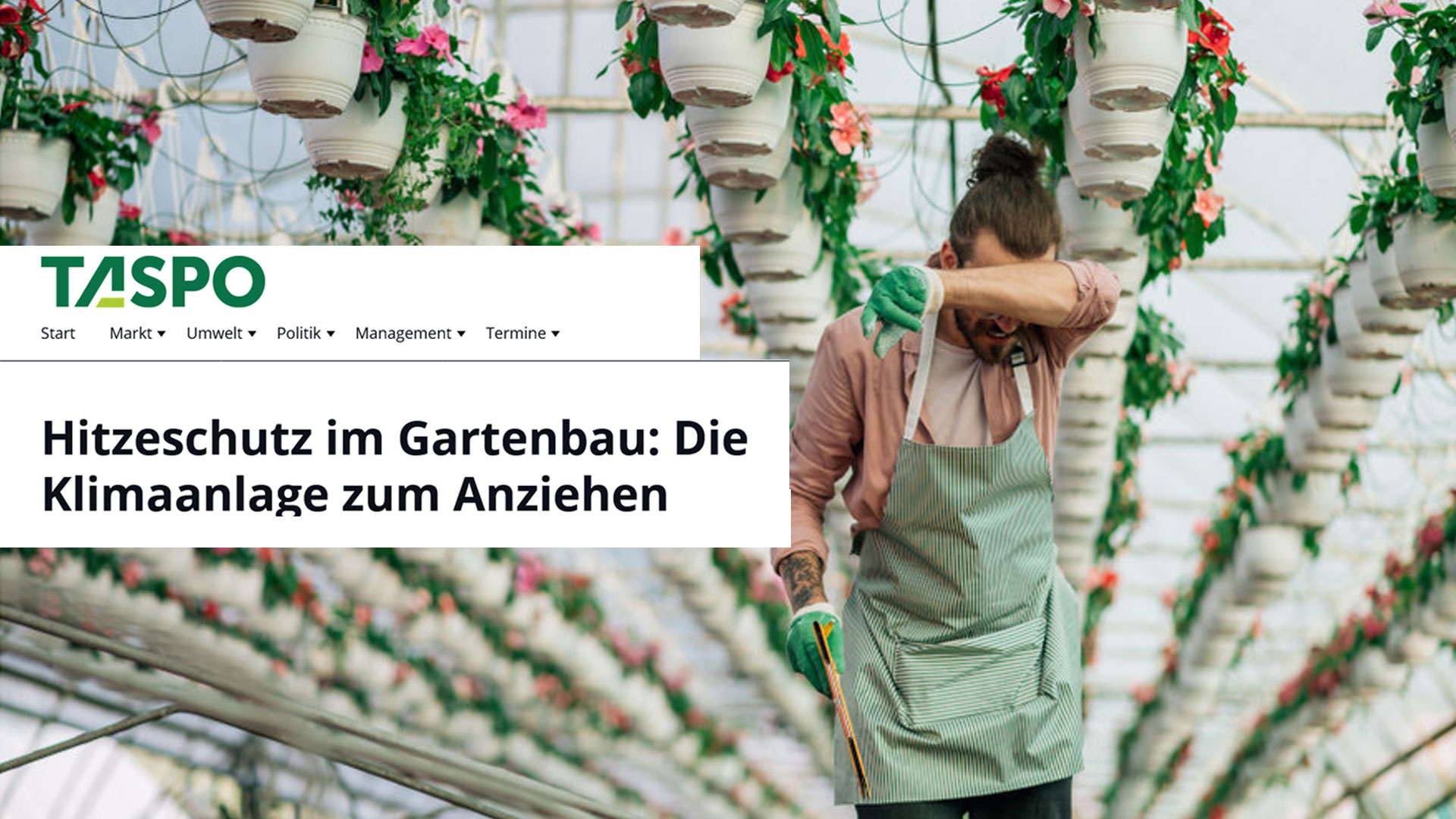
Heat is not only unpleasant, but also puts a real strain on the body:
- The cardiovascular system is put under a great deal of strain
- Concentration and performance levels decline
- the risk of accidents increases significantly
This can have serious consequences, particularly for those engaged in physical labour or for high-risk groups.
The German Medical Association therefore points out that targeted protective measures are necessary – and is even discussing the preventative use of cooling vests for people at particular risk.
So it’s no wonder that many people are asking: Is this way of cooling down really safe?
How cooling clothing affects the body
In principle, cooling clothing serves a useful purpose: to stabilise body temperature and reduce heat stress
Studies in occupational physiology show that:
- Cooling can lower the heart rate
- reduce perspiration
- reduce physical strain
Important: Cooling should support the body – not ‘overwhelm’ it.
Crucial to safety: cooling technology
Not all cooling clothing works in the same way. Some systems can have different effects on the body – particularly when worn for long periods.
Ice and gel cooling: intense cold – a nuanced approach is required
These systems operate at very low temperatures.
Possible effects:
- short-term intensive cooling
- localised cold stimuli
- unpleasant on direct contact with the skin
In isolated cases, localised hypothermia may occur if the treatment is not administered correctly.
Classification:
Effective when used correctly – but not always ideal for consistent, long-term cooling.
PCM cooling clothing: constant temperature, consistent performance
PCM systems operate within defined temperature ranges (e.g. 28–32 °C).
Characteristics:
- even cooling without extreme cold
- regardless of external conditions
- a fairly stable, controlled effect
Restrictions:
- limited cooling time
- greater weight
- less flexible when requirements change
Classification:
It is considered to be physiologically compatible, particularly for planned procedures.
Ventilation systems: helpful, but of limited effectiveness
These systems promote the evaporation of sweat.
Please note:
- Effect heavily dependent on the environment
- restricted in high heat or high humidity
- no direct cooling of the body
Classification:
Uncritical, but not always sufficiently effective.
Simple evaporation: effective, but often inconvenient
These systems use water for cooling.
Typical experiences:
- wet clothes
- uneven cooling
- reduced comfort
Classification:
Physically effective, but often not very comfortable in practice.
Modern cooling textiles: controlled cooling in harmony with the body
New technologies – such as E.COOLINE’s multi-layered 3D cooling textiles – rely on the targeted control of evaporation.
Advantages:
- even cooling without a cold shock
- dry application
- Activate using water only
- great freedom of movement
- no external power required
Classification:
These systems are considered particularly ergonomic, as they support the body’s natural thermoregulation.
A medical perspective: cooling as a preventative measure
The importance of cooling is also increasingly being discussed in medical circles.
The German Medical Association sees a need for action, particularly for at-risk groups, and considers the preventative use of cooling vests to be a sensible measure.
This shows that cooling clothing is seen not only as a comfort solution, but also as a potential part of preventive healthcare.
Possible restrictions may arise from:
- excessive local cold
- technologies unsuitable for certain operating conditions
- failure to adapt to individual needs
Conclusion: Cooling clothing is generally safe – provided it is used correctly
The key finding:
Cooling clothing can provide valuable support for the body – the key factor is the type of cooling.
Modern systems:
- arbeiten mit kontrollierter Temperatur
- avoid exposure to extreme cold
- support natural thermoregulation
Consequently, when used correctly, they are considered effective in hot weather.
Tip: What to look out for when choosing cooling clothing
- uniform cooling rather than localised cooling
- moderate temperatures
- high level of comfort
- easy to use in everyday life
- proven, transparent technology